Table Of Content
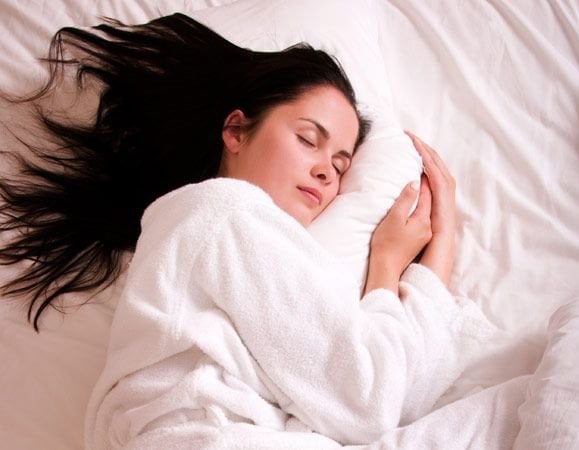
Wavy hair, much like curly hair, is not something you want to sleep on when it’s wet unless your hair is in a protective hairstyle like braids. Wrapping your wet waves in a scarf or a bonnet isn’t an effective workaround because your hair won’t be able to properly dry and it will affect your style. Sleeping with wet hair can have a greater effect on different hair types.
Is It Bad To Sleep With Wet Hair? Here’s What The Experts Say.
Most fungal infections are more likely to occur in people with weakened immune systems. Those who are concerned about their risk of a fungal infection should talk to their doctor about their bedding and if sleeping with wet hair could pose a risk to their health. “Sleeping with wet hair increases the risk of bacterial and fungal contamination on your bedding,” says Gitau.
Can wet hair cause a cold?
This pillowcase makes sleeping with wet hair possible - TODAY
This pillowcase makes sleeping with wet hair possible.
Posted: Tue, 29 Jan 2019 08:00:00 GMT [source]
The cuticle contains certain types of fatty acids that make it hydrophobic, or less likely to absorb water when wet. It can stretch roughly 30 percent of its original length, but when it goes beyond that, you risk irreparable damage (4). Rolling around while you sleep could mean you’re inadvertently stretching your wet hair farther than it can safely go, not to mention increasing the likelihood of major tangles. It is not recommended to sleep with wet hair, but if you must, try to do it as infrequently as possible.
Hair Breakage
In addition to bedding, you also shouldn’t share towels or razors with others if you know you’re contagious. An older study on the fungal flora found on bedding discovered anywhere between 4 to 16 species per pillow tested. This included Aspergillus fumigatus, a common species of fungus responsible for causing severe infections in people with weakened immune systems. Though they’re usually right in general, they’re wrong about wet hair and colds, according to Dr. Chirag Shah, MD, a board-certified emergency physician and cofounder of Push Health, an online healthcare platform. Taking a hot bath or shower at night may be the best way to unwind after a stressful day. In fact, a number of studies have shown that a hot bath or shower before bed can improve overall sleep quality and help someone fall asleep more quickly.
If you must sleep with wet hair
Beauty Mistakes You're Making While You Sleep - Glam
Beauty Mistakes You're Making While You Sleep.
Posted: Sat, 07 Jan 2023 08:00:00 GMT [source]
“Sleeping with wet hair creates a warm and damp environment that is optimal for bacteria to thrive and grow in, which can lead to other scalp and skin infections,” Dr. Engelman says. For that reason, she highly advises against ever going to bed with wet hair. According to Dendy Engelman, MD, a board-certified dermatologist in New York City, laying your wet hair on a pillow increases the risk for bacterial and fungal growth.
The 8 Best Linen Sheets For A Sweat-Free Sleep, Tested By Our Experts
However, there is no scientific evidence that wet hair directly causes any type of illness. Similarly, it has been long thought that exposure to cold temperatures causes the common cold, but there is little evidence to support that theory. However, if you’re concerned about going to bed with wet hair but still want the benefits of a late-night shower, try using a shower cap. A shower cap will keep your hair dry and prevent it from getting wet during your nighttime shower.
Even if you’ve made an effort to brush out tangles, going to bed with wet hair is one of the worst things you can do for your hair, especially if it’s already prone to damage. Even if you wash your face every night (and know what happens if you don’t wash your face), you won’t be in the clear if your pillowcase has previous bacteria buildup. As you toss and turn throughout the night, bacteria found on pillowcases can cause skin irritation and acne as well. This will give your hair time to air dry, so even if your strands aren't perfectly free of moisture, they're better than sopping wet. "I would love to mention that sleeping with 'wet' hair isn't great, but 'damp' hair, where there is some air and dryness throughout the hair, is fine," says Frances. Sleeping with wet hair is unlikely to cause significant health problems for most people.

Can Sleeping With Wet Hair Damage Your Strands?
We’ve all heard the old tale that wet hair at night gives you a cold, but there’s no proof. However, if you follow up your hair wash with a conditioner, trichologist Chelsey Salinger says you’re likely in the clear, whether your hair is wet or not by the time you go to sleep. So, if you frequently toss and turn in your sleep, the friction of wet hair against your pillow could lead to increased breakage. She explains that, when hair is wet, it swells—causing the outer layer of the hair, the cuticle, to open. This is great for shampooing and conditioning purposes, but it also makes your hair more fragile. As you naturally move your head or toss and turn throughout the night, this can cause split ends—and may even contribute to a receding hairline, since the hairs along the hairline are particularly prone to breakage.
While it is generally safe to sleep with damp hair, going to bed with extremely wet hair can have drawbacks. Wet hair is more fragile and prone to damage, such as breakage and split ends. Look for products with natural ingredients formulated for your specific hair type, and be prepared to experiment to find the best routine for you.

“If you’re not taking proper precautions, sleeping with wet hair can prevent you from having the hair of your dreams,” she says. Sleeping with wet hair can be tempting on warm nights, or if you’re a naturally hot sleeper. In fact, according to Chester Wu, MD, a board-certified sleep medicine physician with Rise Science, a small, natural drop in your core body temperature when you go to bed can help you sleep better. Until recently, I had never thought about the effects of sleeping with wet hair beyond what weird shape my hair would take the next morning. It’s definitely worth considering, though—especially since there are whispers online that sleeping with wet hair can cause breakage. If you wash your hair at night, it may mean going to bed with wet hair.
Wet hair can be a breeding ground for all kinds of creepy organisms, including bacteria and fungi. And the growth of these tiny microorganisms can lead to infections on your scalp. No research suggests that the risk of developing a cold correlates with having wet hair.



No comments:
Post a Comment